Monday, 6 September
7:00 a.m. – 3:00 p.m.
Cherbourg offers everything you could want from a seaside town in France - beautiful gardens, cute little shops, appetizing restaurants. As a port, however, Cherbourg is a maritime institution, playing major roles in early transatlantic travel, submarine building and nautical pastimes. One look at its massive man-made sea wall or its bustling piers and any seafaring adventurer will feel right at home here.
Cherbourg-Octeville is situated at the north of the Cotentin Peninsula. The Cotentin was in fact the first territory conquered by the men from the North, the Vikings. For these sea people, it was logical that Cherbourg should become a port. Cherbourg-Octeville was formed when the city of Cherbourg absorbed Octeville on February 28, 2000, and was officially renamed.
| Temperature | Fahrenheit | Celsius |
|---|---|---|
| Average High | 63° | 19° |
| Average Low | 53° | 13° |
| Mean Temperature | 58° | 14° |
| Precipitation | Inches | Centimeters |
| Average Precip. | 2.4 | 7 |

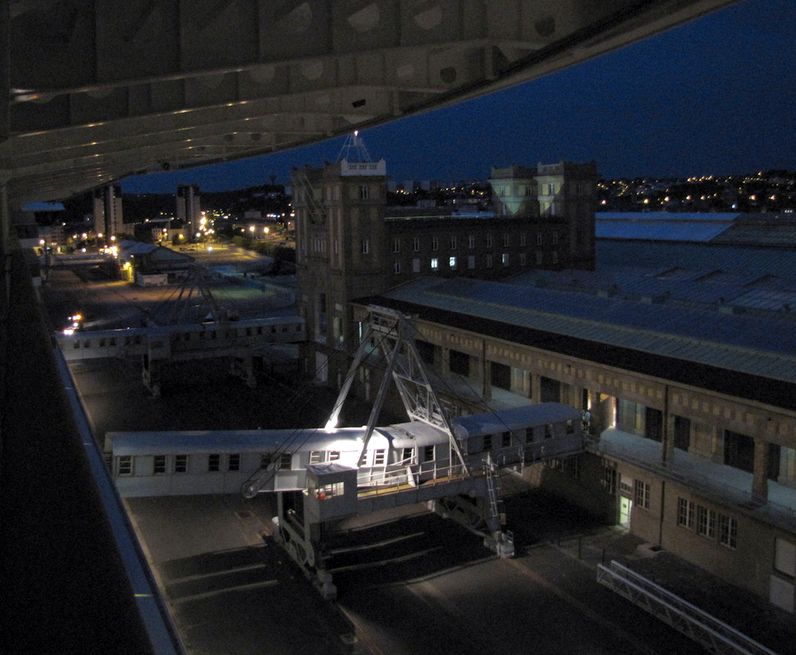
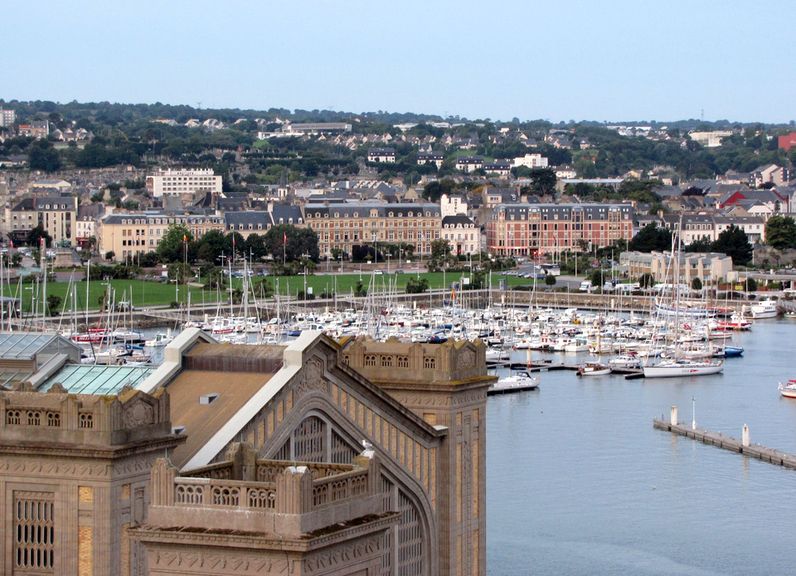
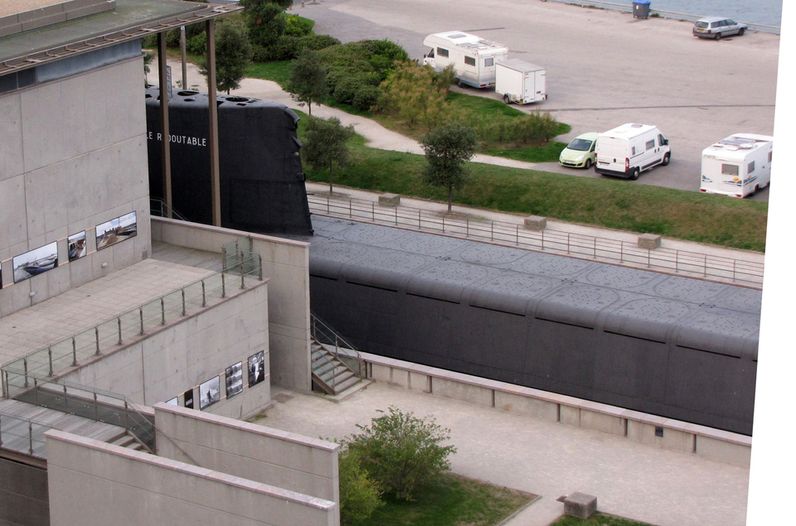
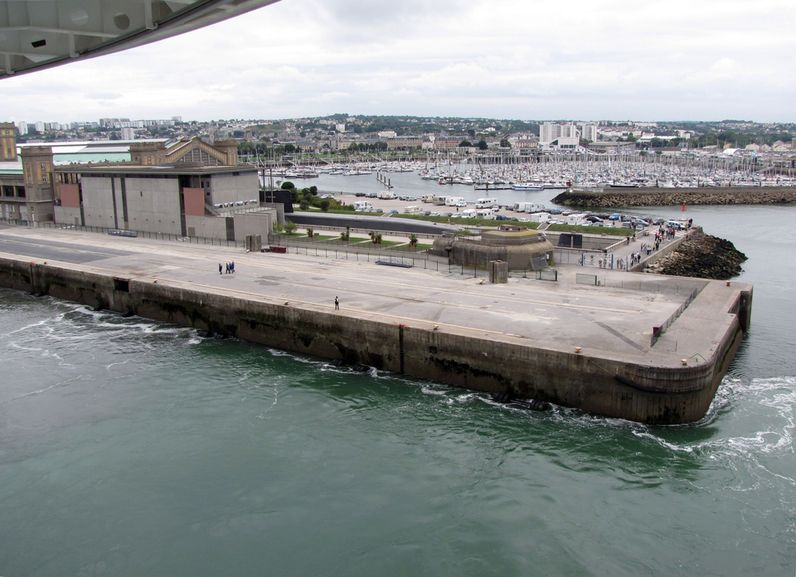
With such a powerful maritime history, the town is an entirely fitting location for Cité de la Mer, a permanent exhibition which chronicles mans' conquest of the sea through the ages. Almost everything you could want to know about marine life is explained in an easy, hands on way. Among the many exhibits is the former nuclear submarine 'Redoubtable', which you are free to explore the interior of. The port handles cruise ships at the Gare Maritime Transatlantique on the Quai de France next to the Cité de la mer.
A stroll through the Cherbourg's centre will reveal many pleasant surprises - the town's 19th century theatre for example, which is considered to be one of the very finest examples of the 'Italian Style'. Then there's the Thomas Henry Fine Arts Museum where you'll be able to view a collection of more than 300 paintings and sculptures dating from the 15th to 19th centuries. This is the third largest museum in Normandy. Other notable attractions include the Emmanuel Liais Gardens, and for those who don't mind a bit of a climb, the magnificent Fort du Roule and Liberation Museum perched high on a hill overlooking the town.
For many however, the attraction of Cherbourg lies in its typically Gallic ambiance. Numerous street cafes allow you to relax with a coffee or glass of wine and soak up the atmosphere as men in berets and women carrying freshly baked baguettes pass by. Adding further to this 'oh so French' feel, every Tuesday there is a lively market held in front of the theatre, and another on Sunday mornings in the suburb of Octeville.

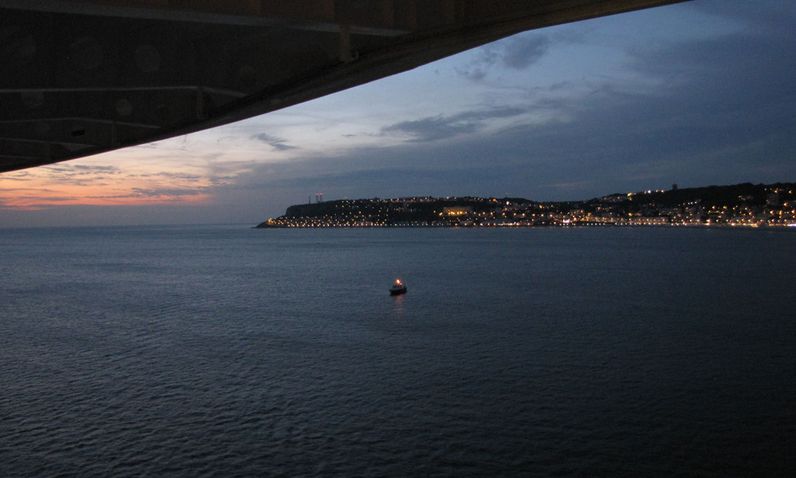
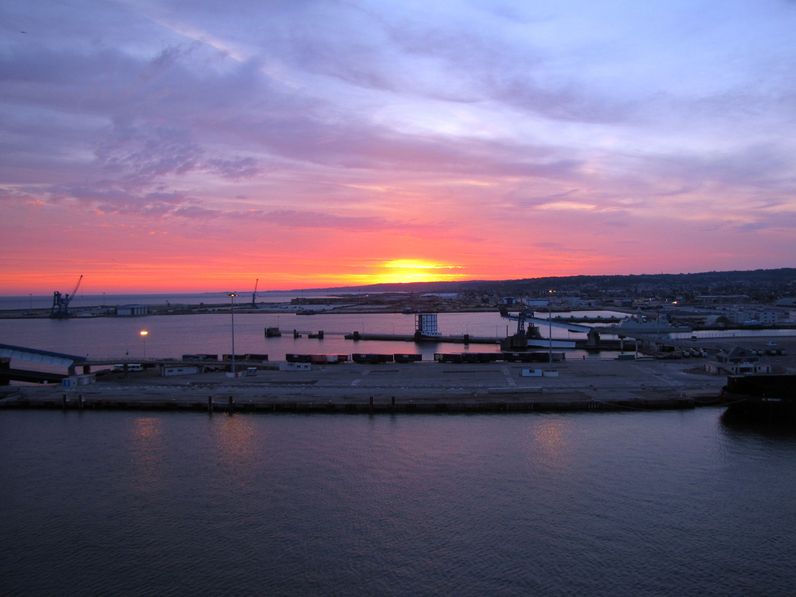
Cherbourg-Octeville is situated at the mouth of the small Divette River on the north shore of the Cotentin peninsula. The steep Roule Mountain nearby offers a panoramic view of the town. The port benefits from a remarkable harbour, well-sheltered except to the north, and is situated close to the great maritime routes that ply the English Channel. Although the port’s general cargo traffic is now light, cross-channel passenger and freight traffic are important. Many industries depend on the port, notably the shipyards and the government naval dockyards (where nuclear submarines are built). Other industrial activities, some of which were originally relocated from Paris, include the manufacture of electronics and electronic equipment, clothing, and machinery. Cherbourg is also the focus of an important nuclear industry based around the power station at Flamanville and the waste recycling plant at the La Hague site. The town acts as a commercial and administrative centre for the northern Cotenin and has a technical university and graduate schools. A museum in the hôtel de ville (town hall) houses many paintings by the 19th-century French painter Jean-François Millet, who was born near the town. The Emmanuel-Liais park has interesting tree and plant specimens.
Links to Info
- Cherbourg
- Wikipedia: Cité de la mer
- Cité de la mer website
- Virtual Tourist links
- Tourism site
- tourist map of Bayeux
Cité de la mer
The Cité de la mer ("city of the sea") is a maritime museum in Cherbourg, France. The museum is in the cruise terminal of Cherbourg. This monument was built in 1933; it's one of the bigger art-deco monument of today. It was opened in 2002 as a scientifical and historical museum, around four axes:
- the Redoutable, first SNLE submarine of the French Navy, now a museum and the largest submarine in the world open to the public – the biggest visitable submarine in the world whose audio-guided visit takes 45 minutes.
- a permanent exposition
- a cylindrical Aquarium, 8 metre wide and 10 metre high, which displays the successive marine life forms according to the depth
- a great hall where temporary expositions are held
- a new underwater expedition in a virtual, digitised building
- There are also an area providing : a restaurant, bar and snack bar, a take-away counter, the “Cité de la Mer” shop, a shop selling local produce (in high season only), a tourist information point, a post office, free parking.
Cherbourg to be Declared Official American Civil War Site, June 19, 2004.
On June 19, 2004, Cherbourg will be declared an official Civil War site, a distinct honor for this Normandy town situated at the northern tip of Europe. It will be the first and only commemorative site outside the United States.
Why Cherbourg? One of the last maritime phases in the Civil War took place near Cherbourg on June 19, 1864. The CSS Alabama, which terrorized North American trade on the world’s oceans (447 vessels inspected, of which 65 were sunk during a 22 month campaign) docked at Cherbourg for urgent repairs. The frigate USS Kearsarge was alerted, entered the port of Cherbourg and engaged in artillery combat. The CSS Alabama suffered a fatal hit and sank 7 nautical miles off the French coast.
In 1984 a French Navy mine hunter, equipped with high performance sonar equipment, located an unidentified wreck 60 meter/197 feet down. The discovery of the Alabama’s famous motto on the helm “God helps those who helps themselves” enabled the wreck to be identified. Under the direction of the United States Navy and the French Ministry of Culture, with the help of numerous volunteers from the CSS Alabama Challenge association, more than 1000 dives have been made. About 200 artifacts have been brought to the surface such as the impressive Blakely cannon (3.5 tons) kindly on loan from the American government and on display at La Cité de la Mer.
Of the 441 nuclear power plants around the world, 59 are located in France, generating 78% of the country's electricity. This makes France the world's second largest producer of nuclear power after the United States.
Pix and Maps
- Large town map (on this site)
- Interactive city map (click on "full screen")
- Avenue de Cessart
- Basilique Sainte-Trinité
- Rue des Moulins


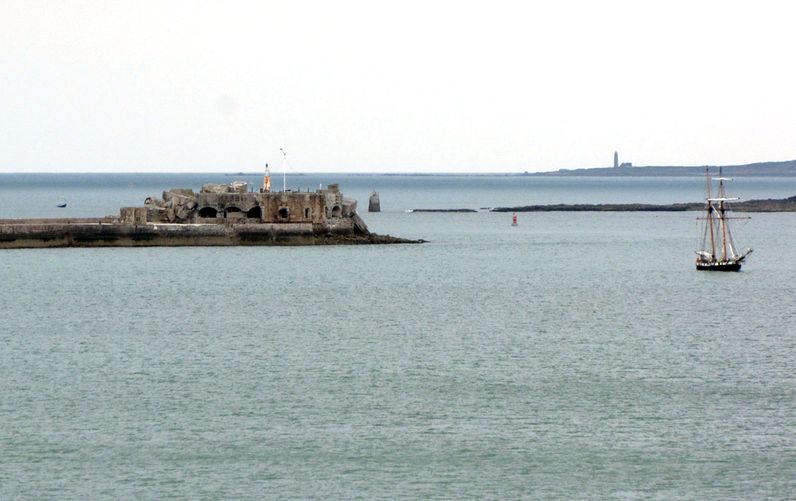
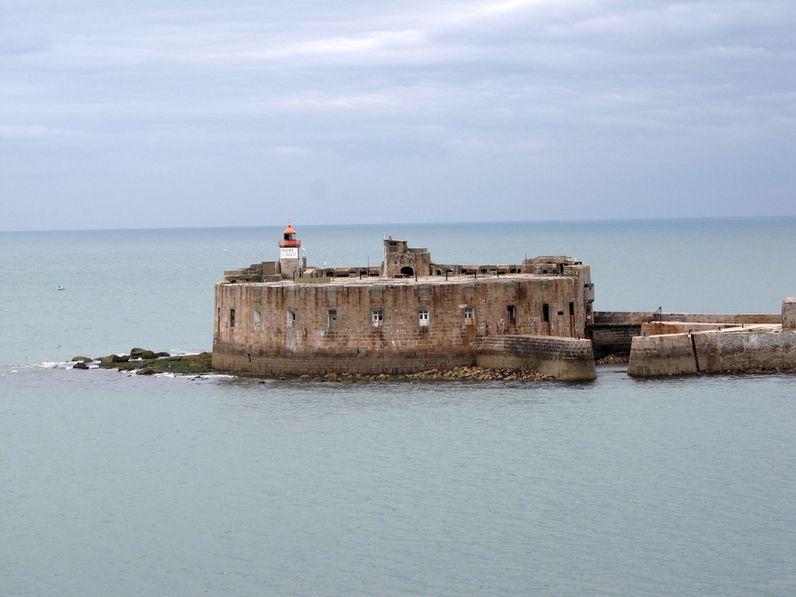
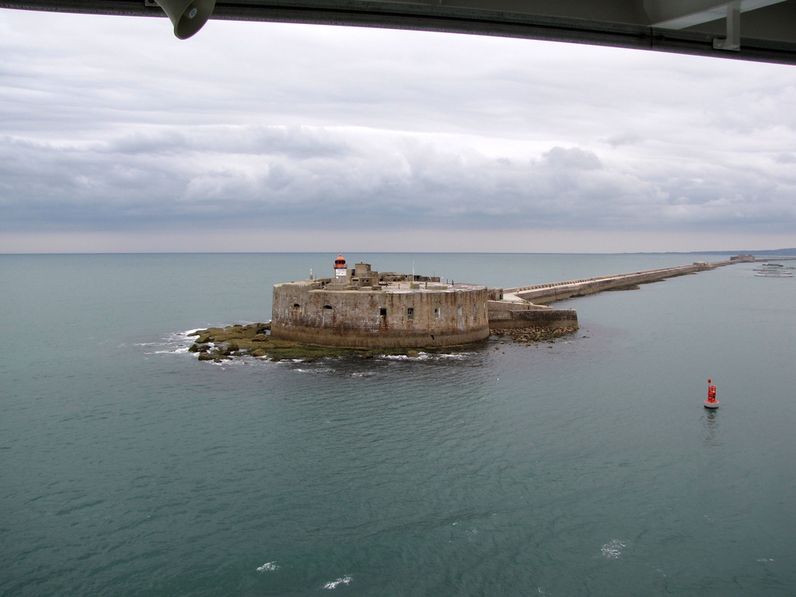
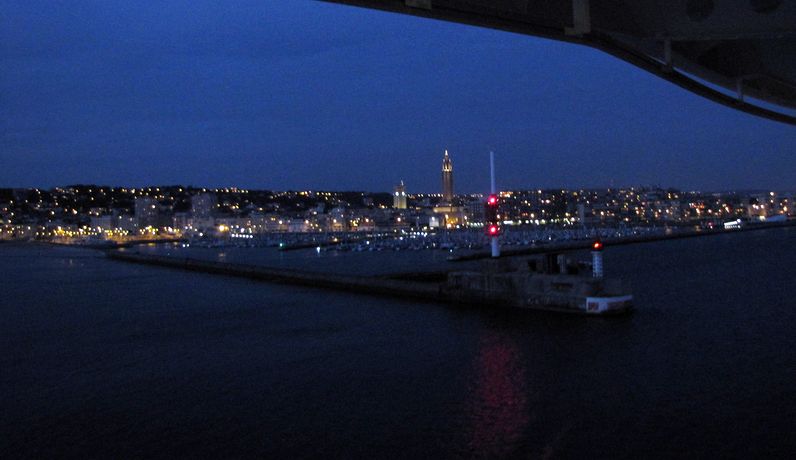
Cherbourg’s harbour walls are magnificent feats of engineering, constructed over the 18th and the 19th centuries with modifications and additions until 1922. The main attraction is obviously the central dyke with its three forts. In Cherbourg you can see several signposted historical walks through the harbour area as well.
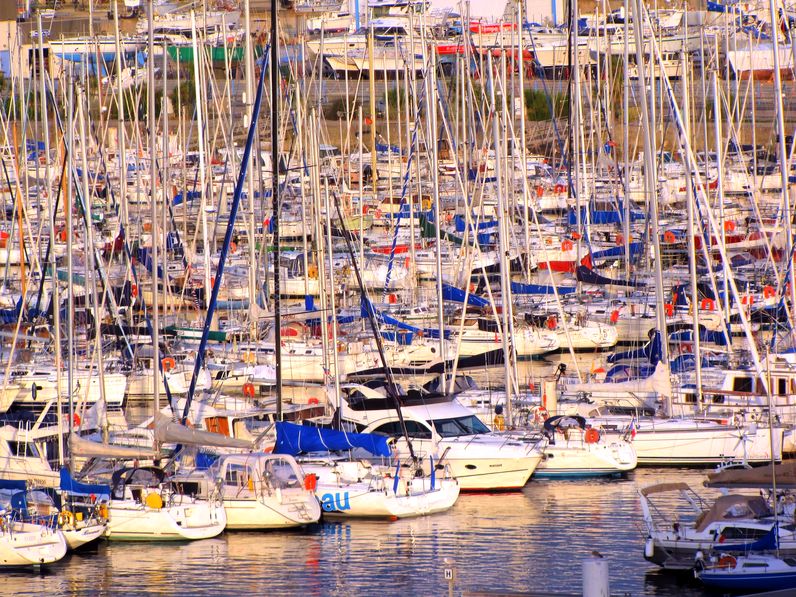
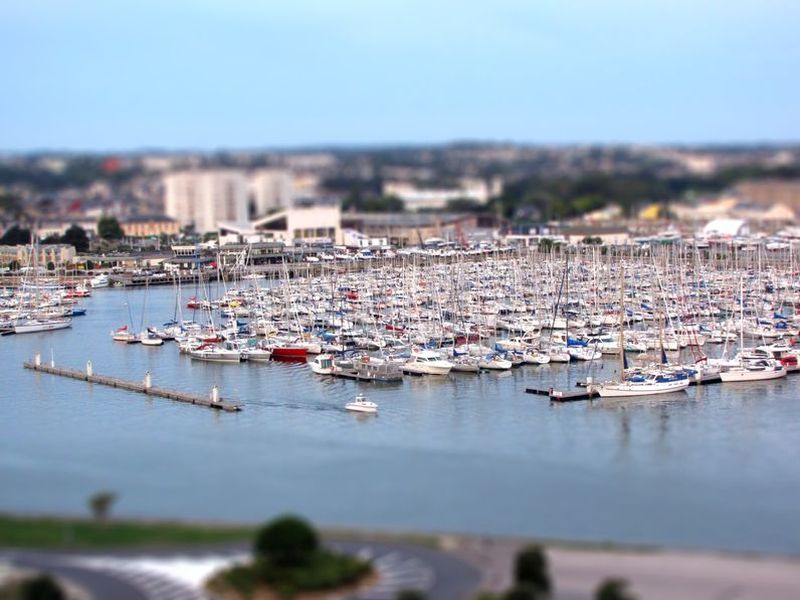
Notre Dame du Vœux, Saint Clement and the ancient Saint Trinity Basilica are the main historical churches in Cherbourg. The site of the great Chateau, destroyed in 1689, is situated in the harbour area. Other sights include the Bassins, where you can fitness the port as it was in the 19th century. Cherbourg is on the Cotentin Peninsula that just out into the Channel. The Channel Islands are in the west: Guernsey is 30 miles away and Jersey 17 miles. Besides being an attractive harbour, Cherbourg is also a transatlantic seaport, a major base, a fishing centre and has a large marina.