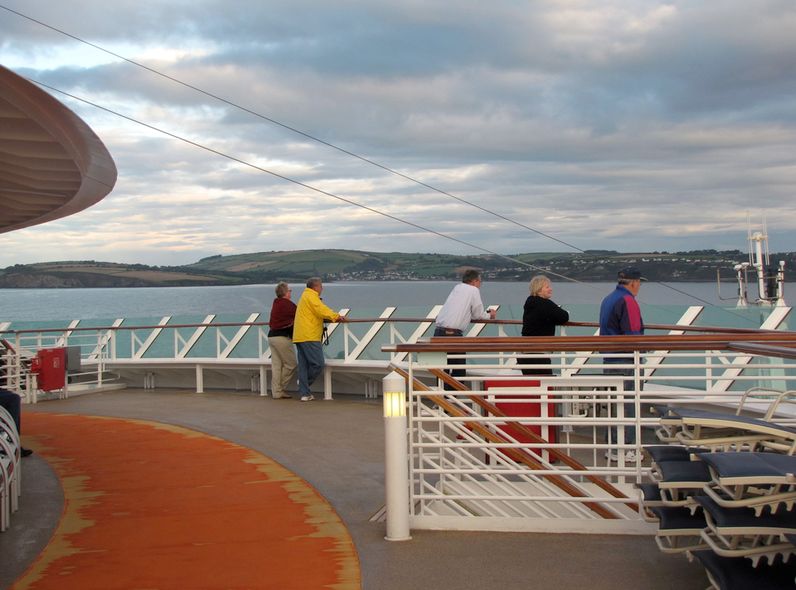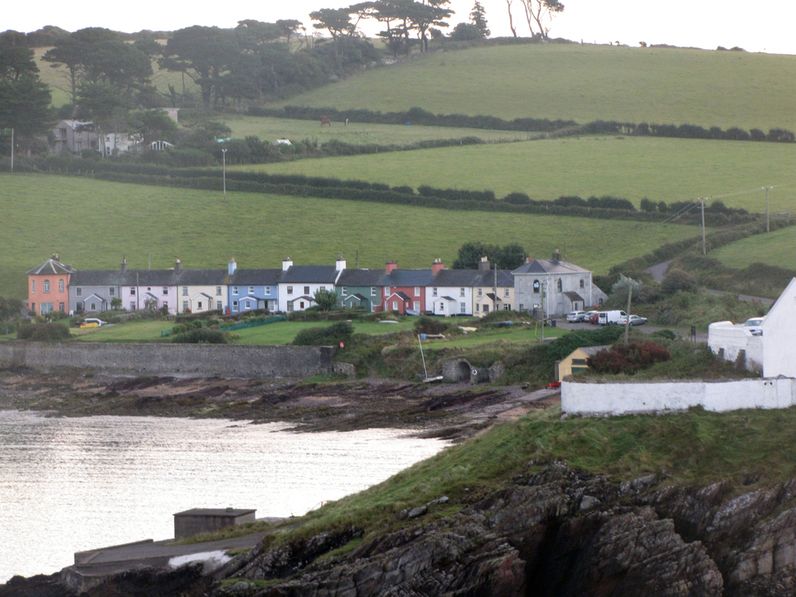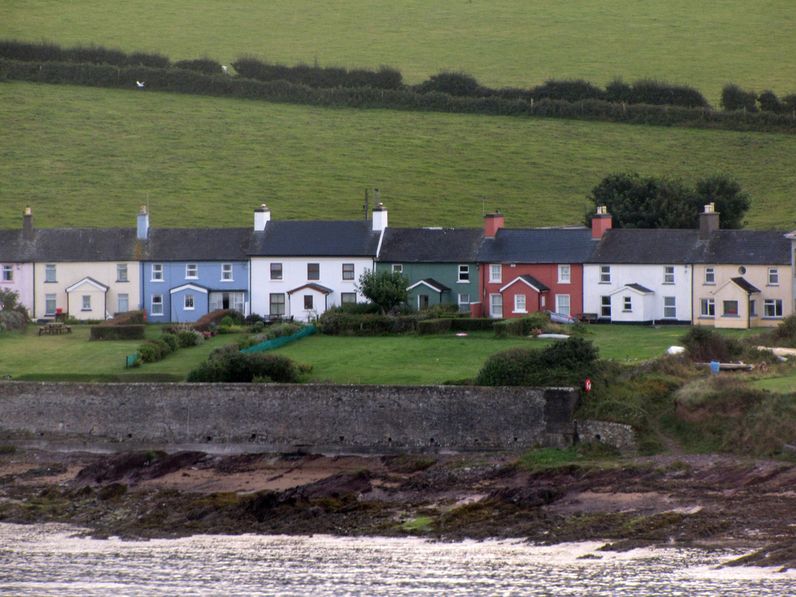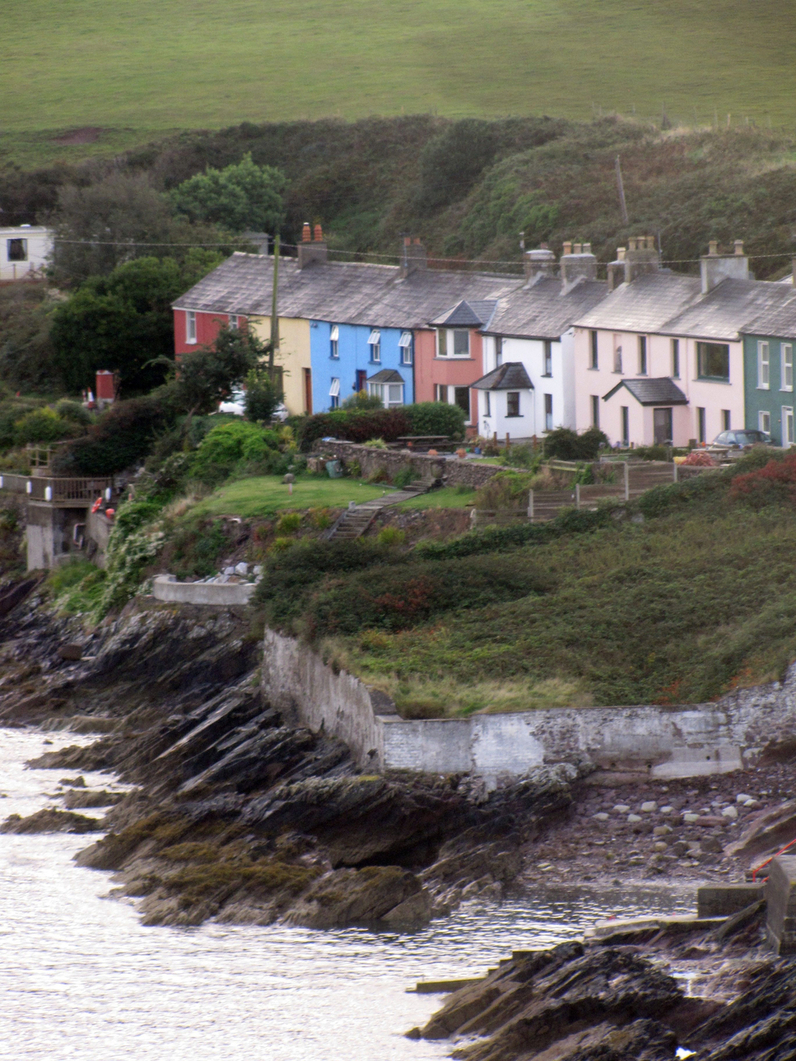
Tuesday, 7 September
9:00 a.m. – 4:00 p.m.

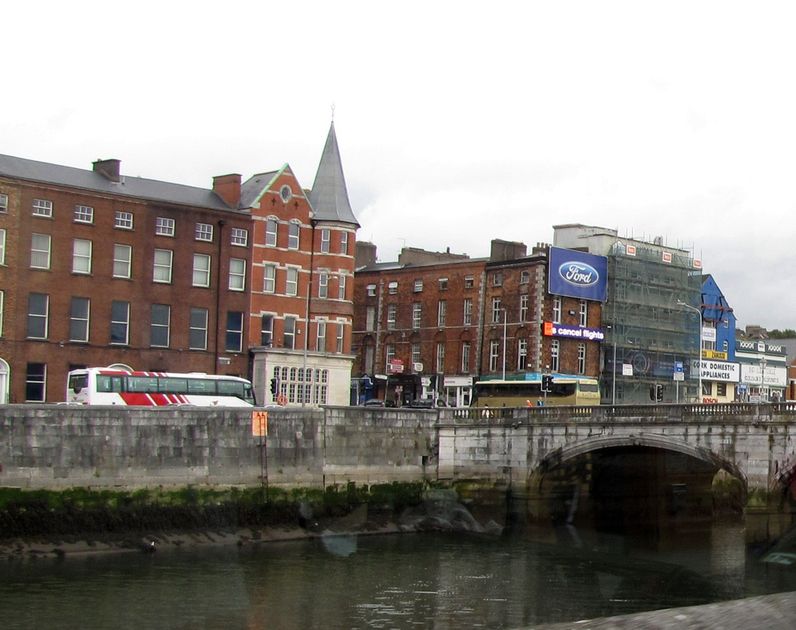
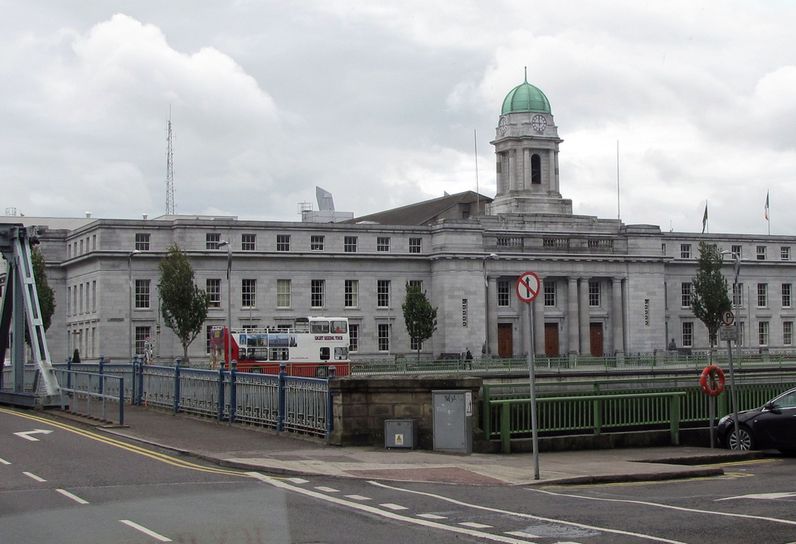
Cork (Irish: Corcaigh – from corcach meaning "swamp") is the second largest city in the Republic of Ireland and the island of Ireland's third most populous city. It is the principal city and administrative centre of County Cork and the largest city in the province of Munster. Cork has a population of 119,143, while the addition of the suburban areas contained the county brings the total to 190,384. Metropolitan Cork has a population of approximately 274,000, while the Greater Cork area is about 380,000.

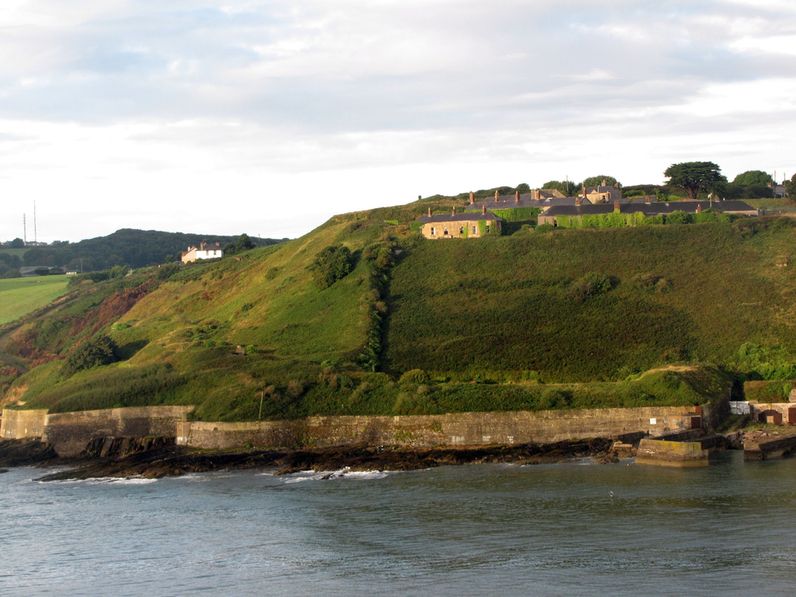
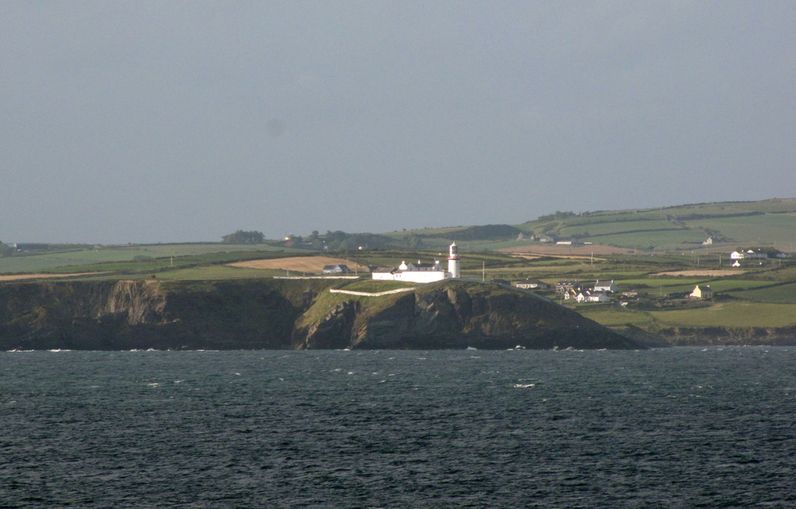
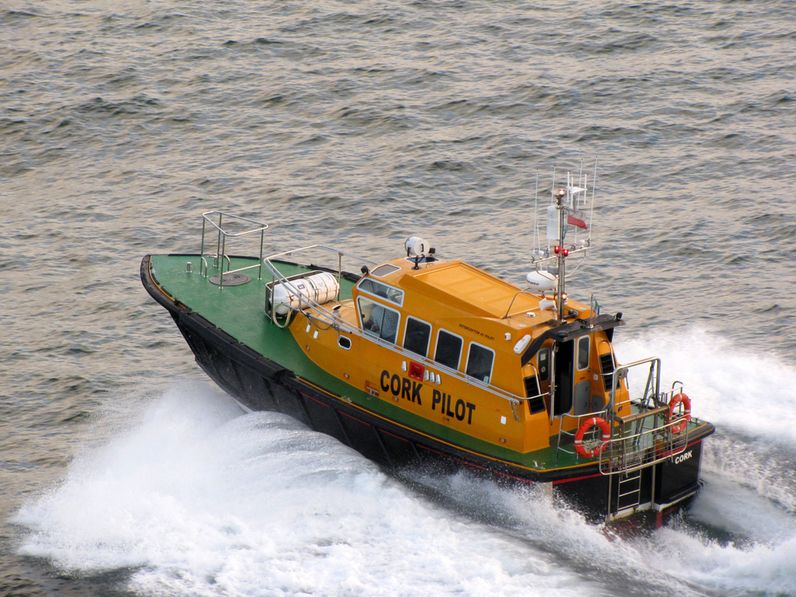
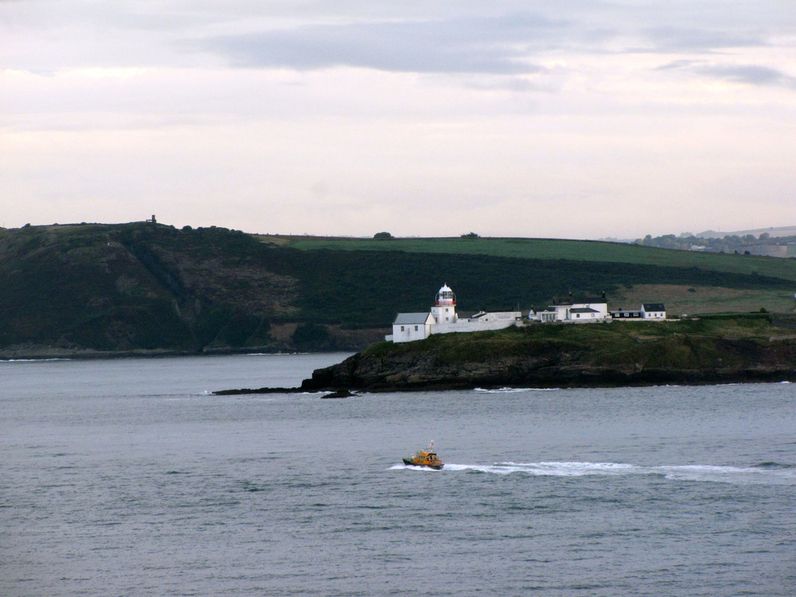
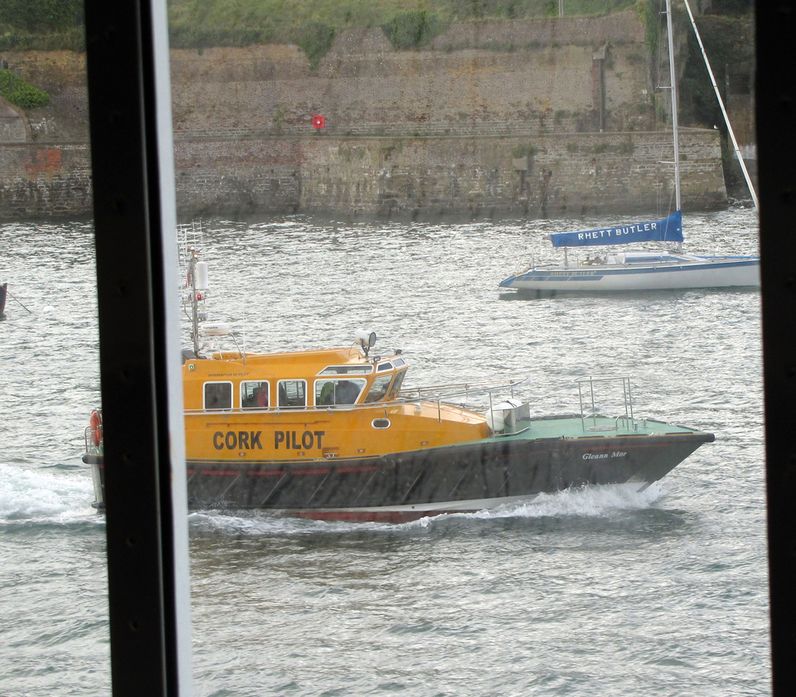
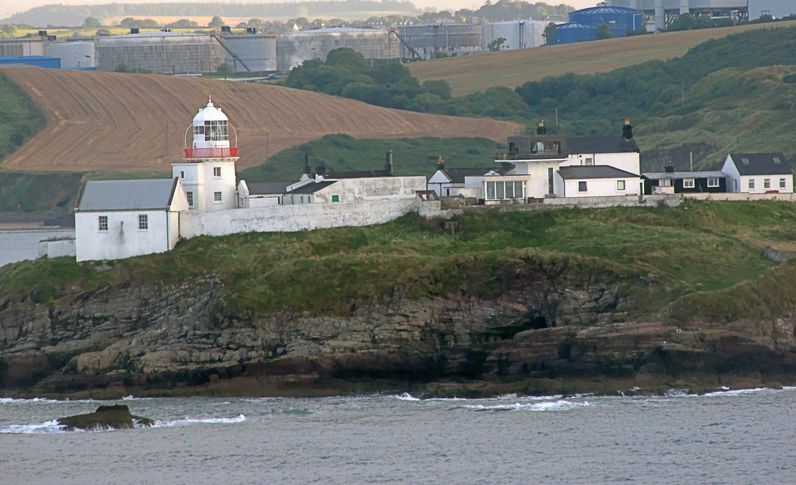
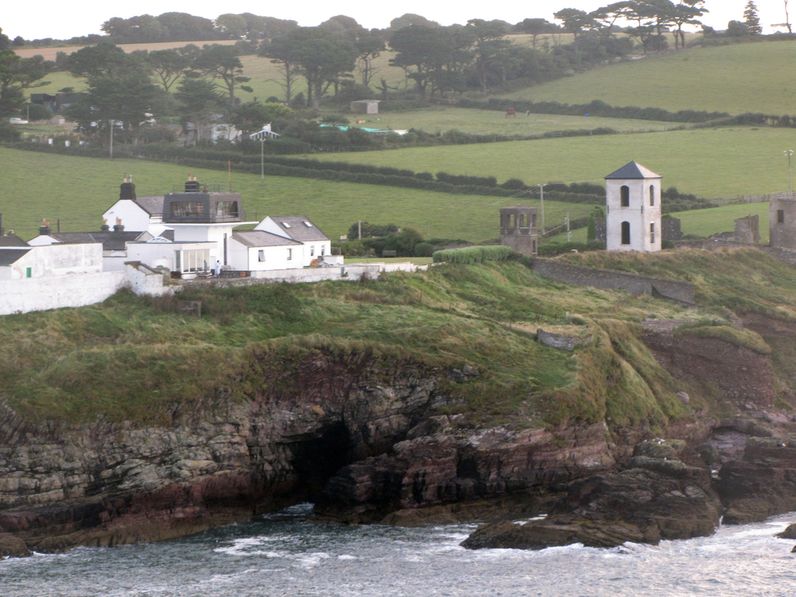
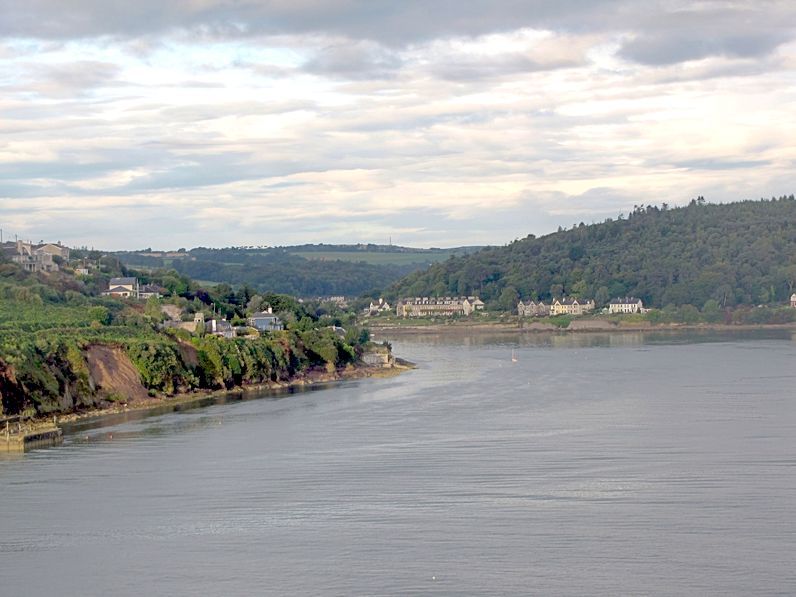
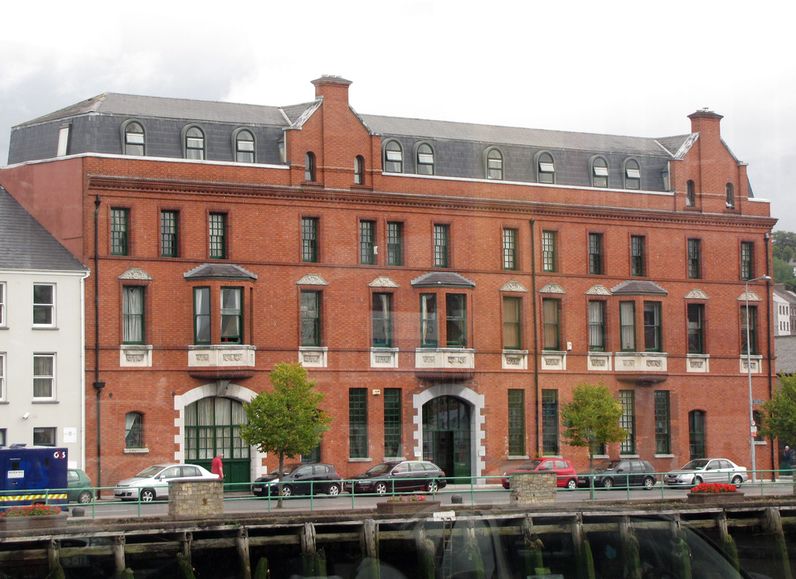
The city is built on the River Lee which divides into two channels at the western end of the city. The city centre is located on the island created by the channels. At the eastern end of the city centre they converge; and the Lee flows around Lough Mahon to Cork Harbour, the world's second largest natural harbour after Sydney Harbour in Australia. The city is a major Irish seaport; there are quays and docks along the banks of the Lee on the city's east side.

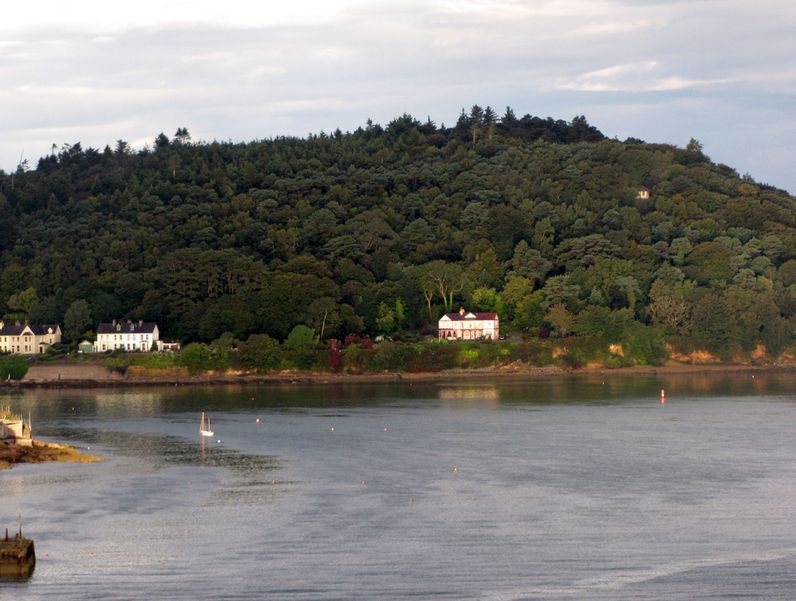
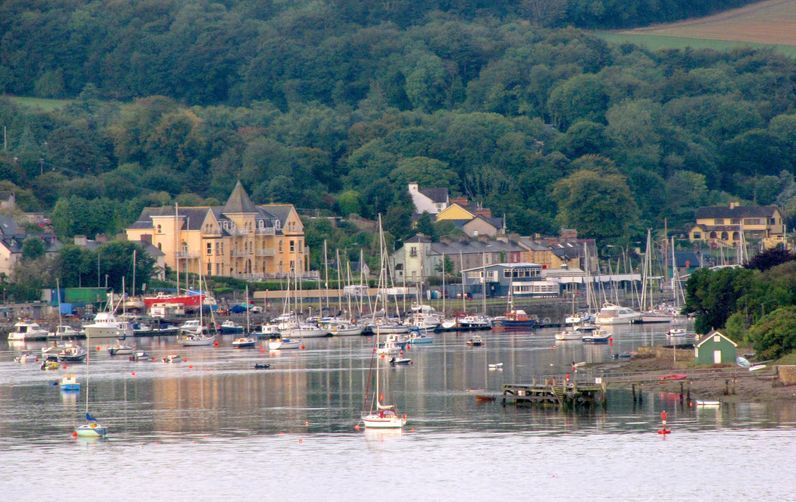
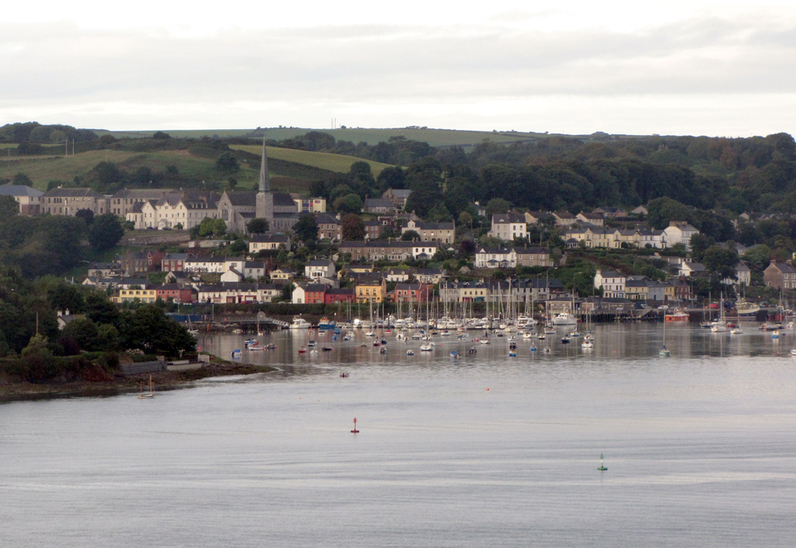
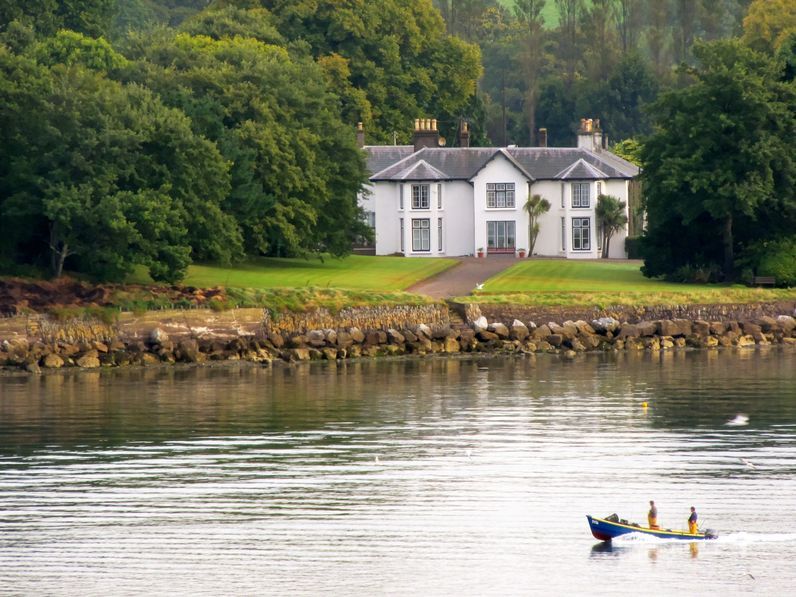
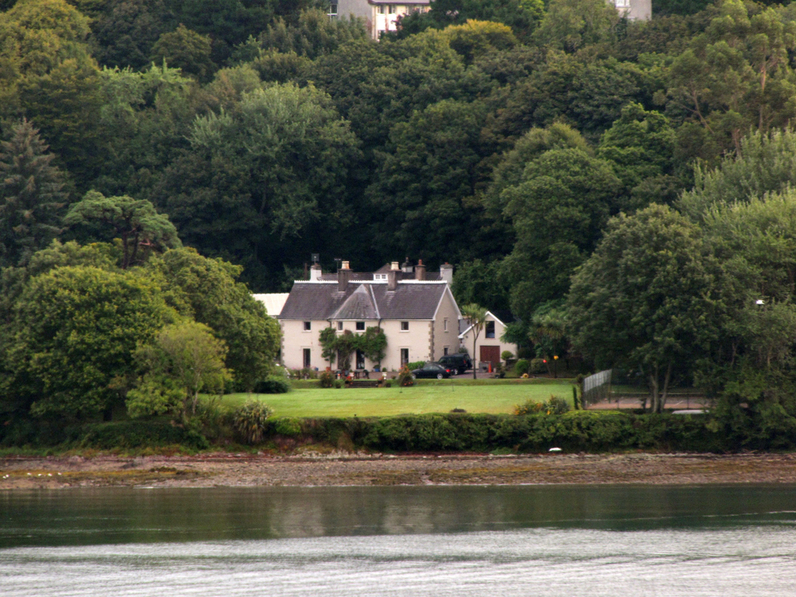
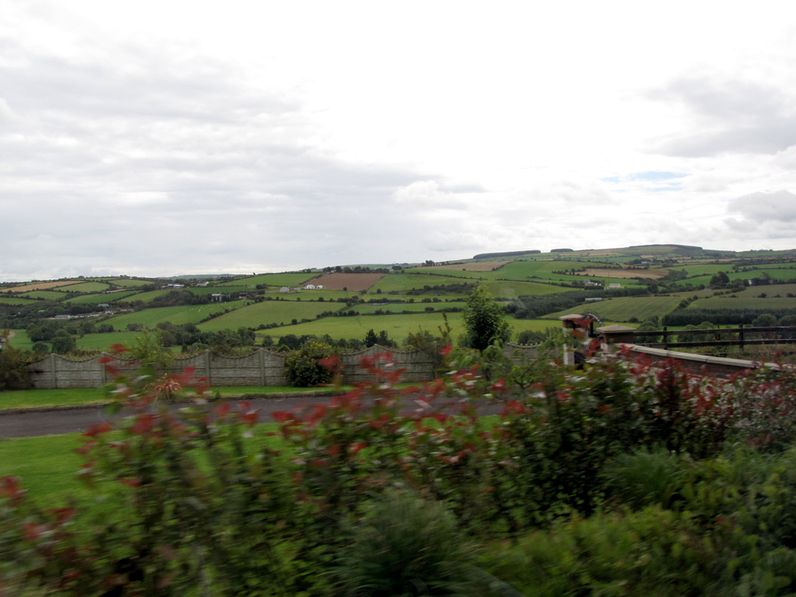
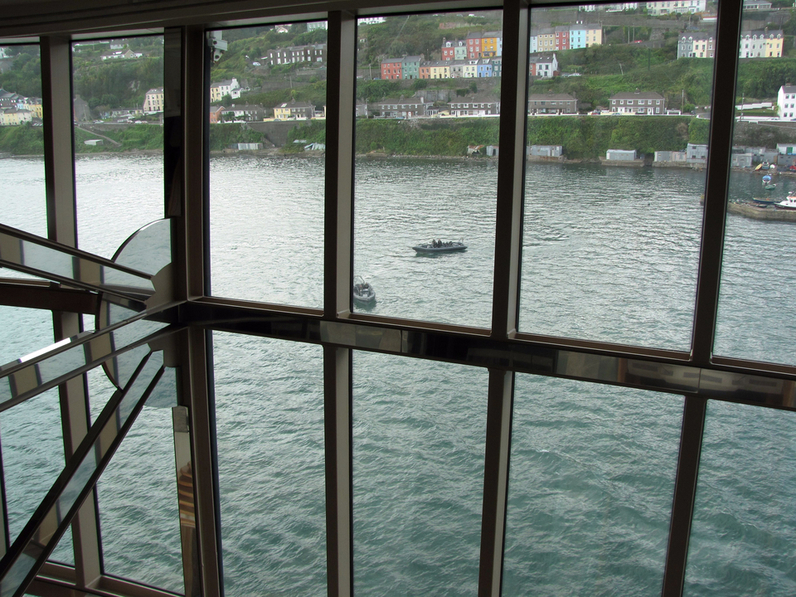
The magnificent Cobh Harbor is just a short drive from Cork. An enchanting place, the main district of Cork sits on an island formed by the diverging channels of the River Lee. The city itself is filled with a multitude of picturesque quays and bridges. Cork is the ideal spot to outfit yourself with Irish tweeds, kiss the Blarney Stone or simply relax and enjoy the charming countryside.

Cobh serves as the gateway to Cork, which is approximately 15 miles away. There is a train service from the port of Cobh to the center of Cork. Shop for Irish linen, tweeds, hand-knit woolens and Waterford crystal along Patrick Street, or try some Irish soda bread at a local pub. Visit St. Finbarr’s Cathedral or the Fota Wildlife Park, located just outside town.

Cork was originally a monastic settlement founded by St. Finbarr in the sixth century. However, Cork only achieved an urban character between 915 and 922 when Norseman (Viking) settlers founded a trading port. It has been proposed that, like Dublin, Cork was an important trading centre in the global Scandinavian trade network.

Cobh is famed for being the last port of call for the ill-fated "Titanic" which sank after striking an iceberg on Sunday 14th April 1912. Another tragedy which has entered popular mythology, the sinking of the "Lusitania" in 1915 is connected also with the town.

TemperatureFahrenheitCelsius
Average High 63°17°
Average Low 45°
Mean Temperature55°13°
HumidityPercentage
Average 88
PrecipitationInchesCentimeters
Average Precip. 410

Cork is also a generally foggy city, with an average of 100 days of fog a year - most common during mornings at times of high pressure or else during winter. Despite this, however, Cork is also one of Ireland's sunniest cities, with an average of 3.8 hours of sunshine every day and only having 69 days where there is no 'recordable sunshine', mostly during and around winter.

Like the rest of Ireland, Cork is consistently humid, with humidity usually ranging between 70% and 100% every day. There are only 4 days where thunder is recorded during the year on average as well, mostly during late summer and early autumn.

Chip-and-PIN credit cards: — On March 17, 2007, Ireland introduced a new Chip-and-PIN credit card system, according to the Irish Payment Services Organization. Chip-and-PIN means that a credit or debit card has a computer chip and must use a PIN number to complete a transaction, not a signature. Credit card holders in Ireland are ahead of the US with this new technology – Americans do not use this system yet. So what will happen when you try to use your American credit or debit card in Ireland? “Cardholders with cards from countries that have yet to upgrade (to this new system) will always sign… in all of these cases the PIN pad will automatically recognize that a signature rather than a PIN is required.” So American visitors can continue to sign for credit and debit card transactions until the day when the US makes the transition to Chip-and-PIN technology. This new system is designed to combat credit and debit card fraud. For more information, go to www.chipandpin.ie.

New taxi fares — Ireland has a new system of national taxi fares, valid throughout the country, rather than 35 local authorities charging different fares. The new basic fare is €3.80 during the day and €4.10 at night, supplemented by distance or time-related charges, and applies to taxi journeys everywhere (previous "extra" charges, such as the €1.50 hiring charge at Dublin airport and luggage charges, and the practice of drivers going "off-meter" have been abolished). The new structure means that fares are now higher in Dublin but lower in many other parts of the country. In addition to the fare changes, there is a new complaints phone line, posted in taxis, and information on the driver's license, rates and the rights and responsibilities of passengers is displayed in large print in all cars.


Links to Info


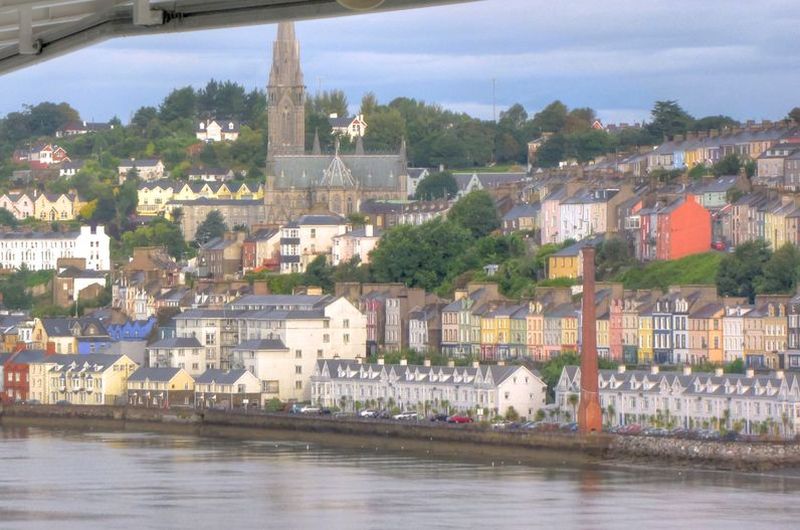
Queenstown it was for some decades before reverting to its old Irish name in 1922 - the Cobh (cove) of Cork. Is there anywhere in Ireland more full of poignant memories than this embarkation point for America? From here hundreds of thousands of mostly hungry and penniless Irish men and women left to build a new life, especially in the Famine years of 1844-48. Many thrived and prospered, but many died on the journey in the terrible travelling conditions of the time.

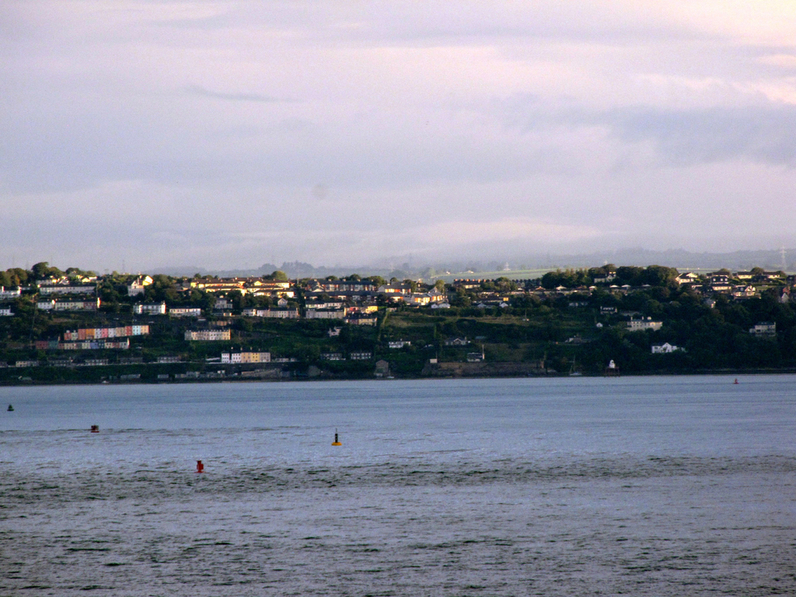
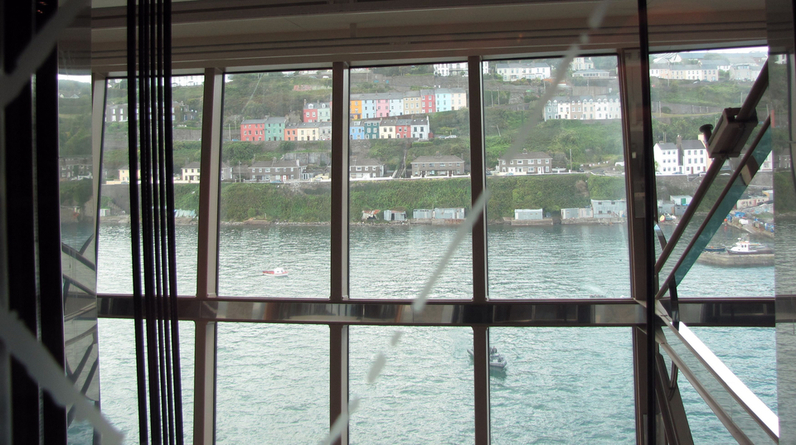
It is a pleasant town; its streets climb the steep slope of a hill, the top of which is crowned by the very fine St. Coleman's Cathedral which has a carillon of 47 bells.

Cobh is situated on Great Island, one of the three large islands in Cork harbour which are all now joined by roads and bridges - Little Island and Fota are the others.

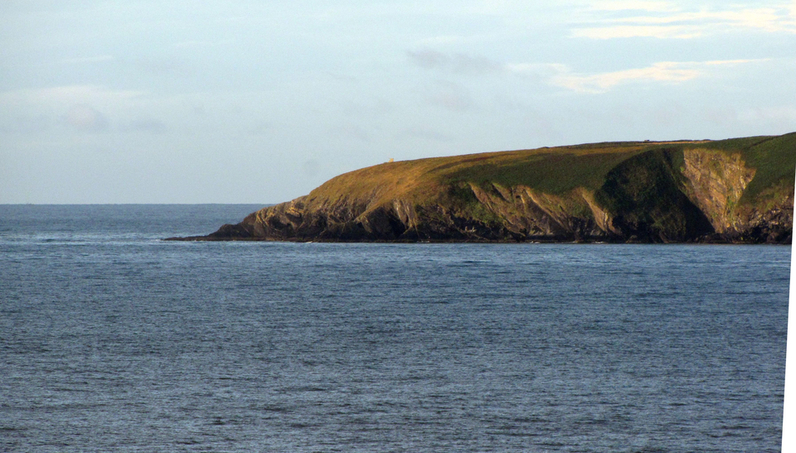
The harbour is one of the largest and safest anywhere, being capable of taking the largest vessels afloat. The great Transatlantic liners used to come in up to the 1950s.

On the quayside there is a memorial to the victims of the Lusitania, many of whom are buried in the old church cemetery. The ship was sunk off Kinsale in 1915 by a German submarine, an action which was responsible for bringing the United States of America into the Great War, the survivors were brought back here. Another unhappy association is with the Titanic, 'the safest liner in the world'. Queenstown was her last port of call on her fateful maiden voyage.


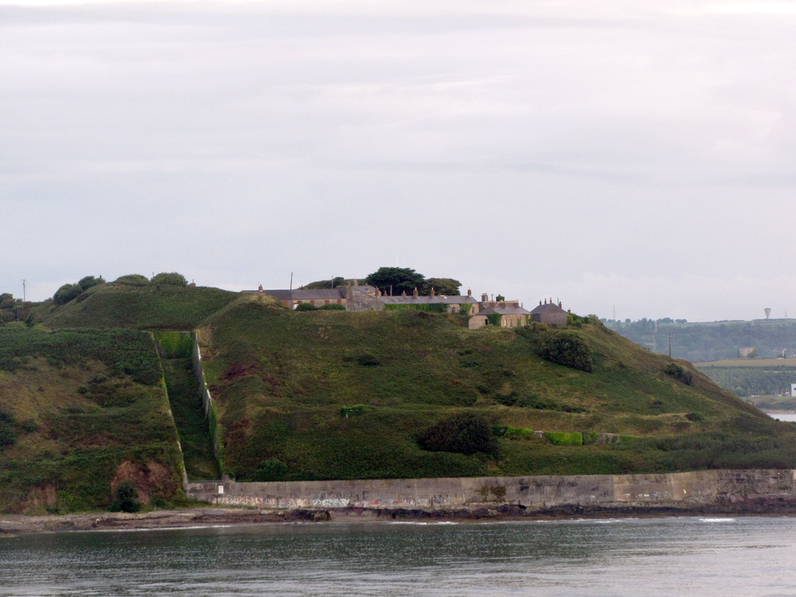
Charles Fort Kinsale

Charles Fort is a classic example of a star-shaped fort and has five bastions, constructed in the late 17th century on the site of an earlier coastal fortification.

Cobh Heritage Centre

The story of Cobh's origins, it's unque history and legacy are dramatically recalled at The Queenstown Story - a stunning multi media exhibition at Cobh's restored Victorian Railway Station. Themes include The Titanic, Emigration & Famine. New Genealogy Service available.

Cork City Gaol

The Cork City Goal has been restored as a highly exciting visitor attraction which set out to tell the visitor what life was like there for prisoners in the 19th century. An exciting Audio Visual presentation is an integral part of the experience

Jameson Heritage Centre

Exploring the Jameson Heritage Centre in Midleton Co. Cork will take you back through time. Discover the history, and the magical taste of Irish Whiskey -Uisce Beatha (The Water of Life) the mystical spirit perfected by Irish monks in the 6th Century A.D.


Fota Wildlife Park

Fota Wildlife Park, just 10 miles from Cork on the Cobh road, is among the most modern wildlife parks in Europe. Established in 1983 with the primary aim of conservation Fota has more than 70 species of exotic wildlife in open natural surroundings with no obvious barriers. Giraffes, zebras, ostrich and antelope roam together in 40 acres of grassland, much as they would in the African savannah, monkeys swing through trees on lake islands, while kangaroos, macaws and lemurs have complete freedom of the Park. Only the cheetahs have a conventional fence.

A great many of the species at Fota are under serious threat in the wild. Only c. 10,000 cheetahs remain in their natural habitat and Fota Wildlife Park is the world's leading breeder of this endangered species. Also being bred at Fota is the Scimitar horned Oryx brought to the brink of extinction but being re-introduced in its native North Africa; the Lion tailed Macaque of which only c. 800 remain in a tiny patch of Indian forest; and many other species for which wildlife parks such as Fota are their only chance of survival.

The White tailed Sea Eagle became extinct in Ireland in the early 1900's but is now being re-introduced to the wild in Kerry. This magnificent bird of prey is held for breeding at Fota, where they can be seen by visitors.

Just beside the Wildlife Park is the internationally renowned Fota Arboretum, which has a beautiful collection of trees and shrubs, from all over the world, including China, Japan, Australia and the Himalayas.

Fota Wildlife Park is open every day of the year except on Christmas Day & St. Stephens Day. Amenities include coffee shop, tour train, picnic benches and comprehensive information/identification panels on all major species.


Pix and Maps

Pix

Maps


Website designed by
Elenor Snow
SnowTao Editing